"In the Middle Ages half of those who chose the religious life were women, yet historians have overlooked entire generations of educated, feisty, capable and enterprising nuns, condemning them to the dusty silence of the archives. What, though, were their motives for entering a convent and what was their daily routine behind its walls like? How did they think, live and worship, both as individuals and as a community? How did they maintain contact with the families and communities they had left behind? Henrike Lähnemann and Eva Schlotheuber offer readers a vivid insight into the largely unknown lives and work of religious women in the fifteenth and sixteenth centuries. Using previously inaccessible personal diaries and letters, as well as tapestries, painting, architecture and music, the authors show that the nuns were, in fact, an active, even influential part of medieval society. They functioned as role models and engaged in spirited …
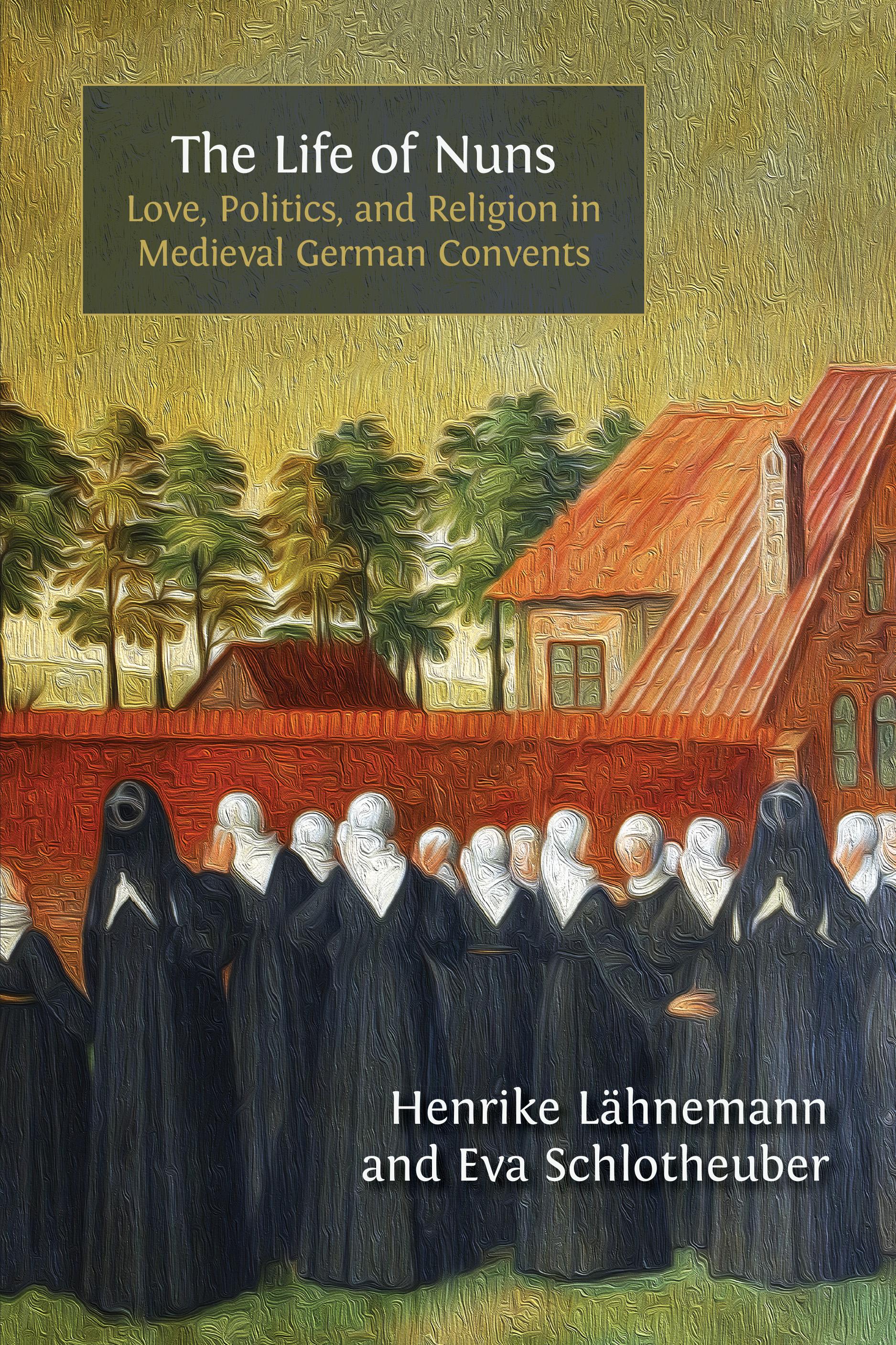
"In the Middle Ages half of those who chose the religious life were women, yet historians have overlooked entire generations of educated, feisty, capable and enterprising nuns, condemning them to the dusty silence of the archives. What, though, were their motives for entering a convent and what was their daily routine behind its walls like? How did they think, live and worship, both as individuals and as a community? How did they maintain contact with the families and communities they had left behind? Henrike Lähnemann and Eva Schlotheuber offer readers a vivid insight into the largely unknown lives and work of religious women in the fifteenth and sixteenth centuries. Using previously inaccessible personal diaries and letters, as well as tapestries, painting, architecture and music, the authors show that the nuns were, in fact, an active, even influential part of medieval society. They functioned as role models and engaged in spirited dialogue with other convents, with the citizens of their home towns and with the local nobility. Full of self-confidence, they organised their demanding daily lives; ran their complex convent economies as successful businesses; offered girls a comprehensive theological, musical and practical education; produced magnificent manuscripts; ministered to the convent sick and dying with homemade medicines and to family and friends with advice. Initially-and fiercely-they resisted the Reformation, only for some of the convents to survive as Protestant women's foundations to this day. Now, for the first time in centuries, this account by Henrike Lähnemann and Eva Schlotheuber allows the voices of these remarkable women to be heard outside the cloister and to invite us into their world."--Publisher's website.
Henrike Lähnemann and Eva Schlotheuber have written an outstanding history of the experience of medieval nuns brought vividly to life by the journal of a nun who recorded everything in order to constantly improve. The nuns lives could not be further from the stereotyped Hollywood character. The nuns in general love their life of devotion and education - unavailable to women outside the convent - they are free from the dangers of the world beyond the cloister walls, of husbands and childbirth or the servitude of corporeal marriage. As Brides of Christ their families enjoy a high status in society, with Christ as a son-in-law. A book written in a fluid, informal, informative style that will enlighten, surprise and delight.